Planning
We review scope, existing conditions, equipment, code requirements, access, and future needs before work begins.

Overview
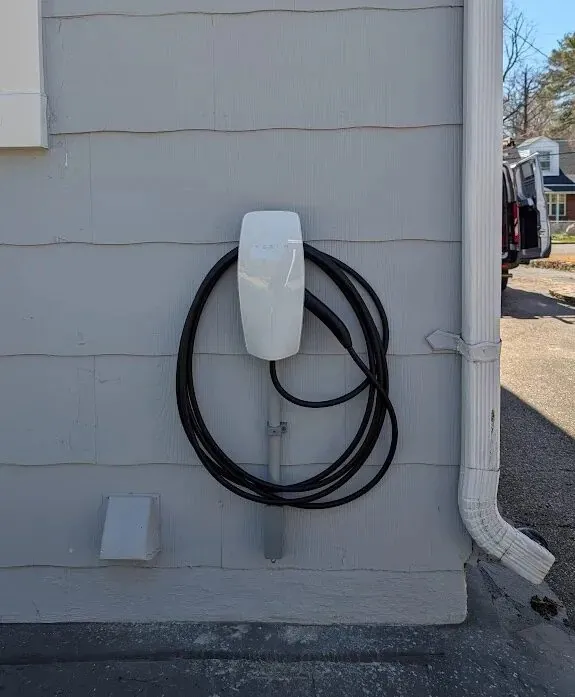
EV charging adds a significant electrical load, so a proper installation starts with evaluating the existing service, panel capacity, charger requirements, route, mounting location, and future electrical needs.
We coordinate charger specifications, conductor and overcurrent protection, route, equipment placement, existing panel capacity, and permitting requirements where applicable.
Why Ampere
We review scope, existing conditions, equipment, code requirements, access, and future needs before work begins.
Work is completed with attention to clean routing, reliable connections, code compliance, and coordination with surrounding finishes.
We test and review completed systems and make sure the finished work is ready for normal use and future service.
Process
Confirm project goals, site conditions, existing equipment, and constraints.
Define scope, materials, routing, scheduling, and permit requirements where applicable.
Complete the work safely and coordinate with finishes, equipment, and other trades.
Verify operation, review the completed work, and address final details.
Common Questions
Photos of the electrical panel, the charger model, the proposed charger location, and the approximate distance between the panel and charger help define the scope.
Not always. We evaluate the existing service, available capacity, charger load, and other major loads before recommending a panel or service upgrade.
Yes. The installation method depends on the charger, circuit rating, location, manufacturer requirements, and the overall electrical design.