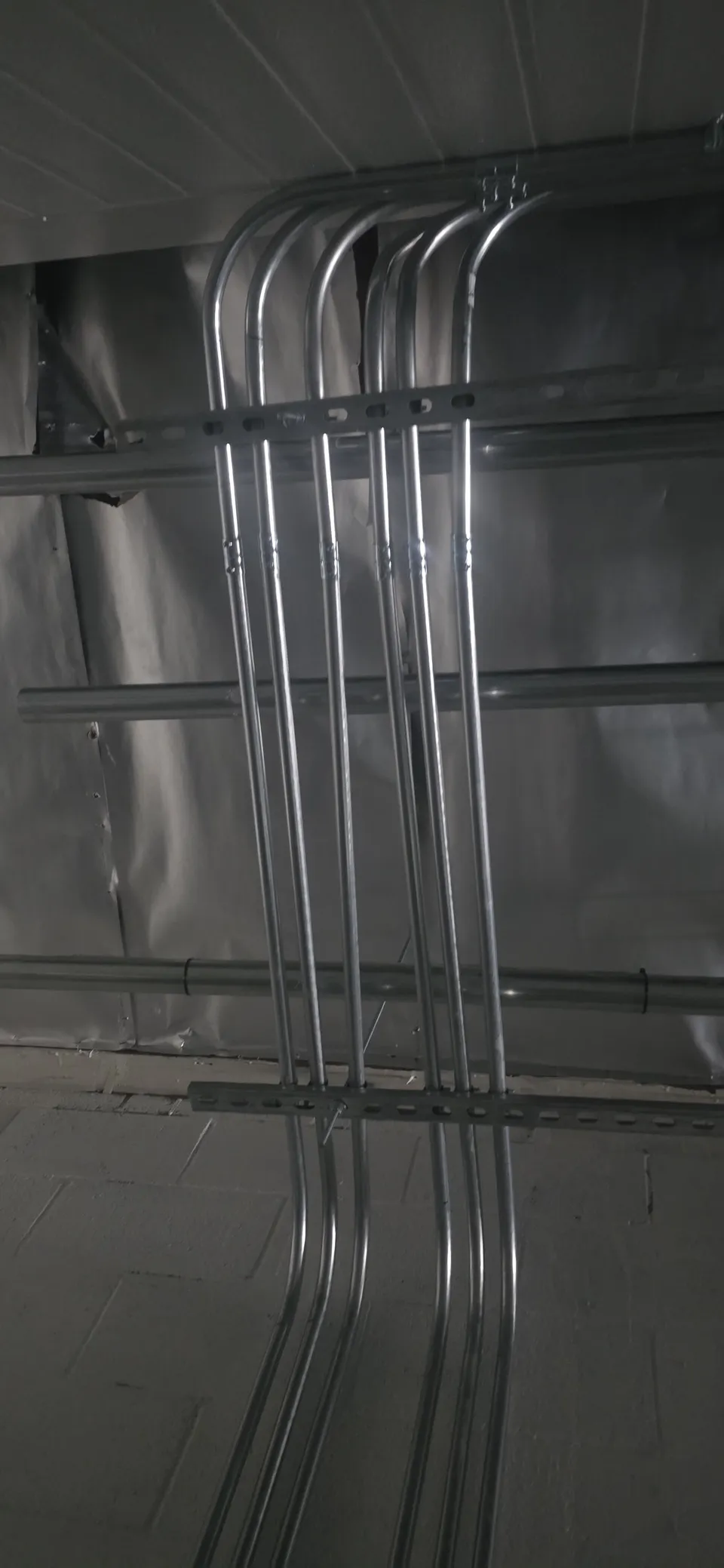
Planning
We review scope, existing conditions, equipment, code requirements, access, and future needs before work begins.

Overview
A reliable network starts with clean physical infrastructure. We plan cable pathways, equipment locations, patching, labeling, and future expansion so the system is easier to manage and service.
We coordinate cable routes, bend radius, separation from power, pathway capacity, rack or enclosure locations, PoE requirements, labeling, testing, and future expansion.
Why Ampere
We review scope, existing conditions, equipment, code requirements, access, and future needs before work begins.
Work is completed with attention to clean routing, reliable connections, code compliance, and coordination with surrounding finishes.
We test and review completed systems and make sure the finished work is ready for normal use and future service.
Process
Confirm project goals, site conditions, existing equipment, and constraints.
Define scope, materials, routing, scheduling, and permit requirements where applicable.
Complete the work safely and coordinate with finishes, equipment, and other trades.
Verify operation, review the completed work, and address final details.
Common Questions
Typical projects use Cat6 or Cat6A depending on distance, bandwidth, environment, and future requirements. We select the cable type around the actual system design.
Yes. Structured cabling can include patch-panel termination, wall jacks, labeling, testing, and organized rack or enclosure routing.
Yes. Open-wall construction is one of the best times to install structured cabling, spare pathways, access-point wiring, camera cabling, and future-ready infrastructure.