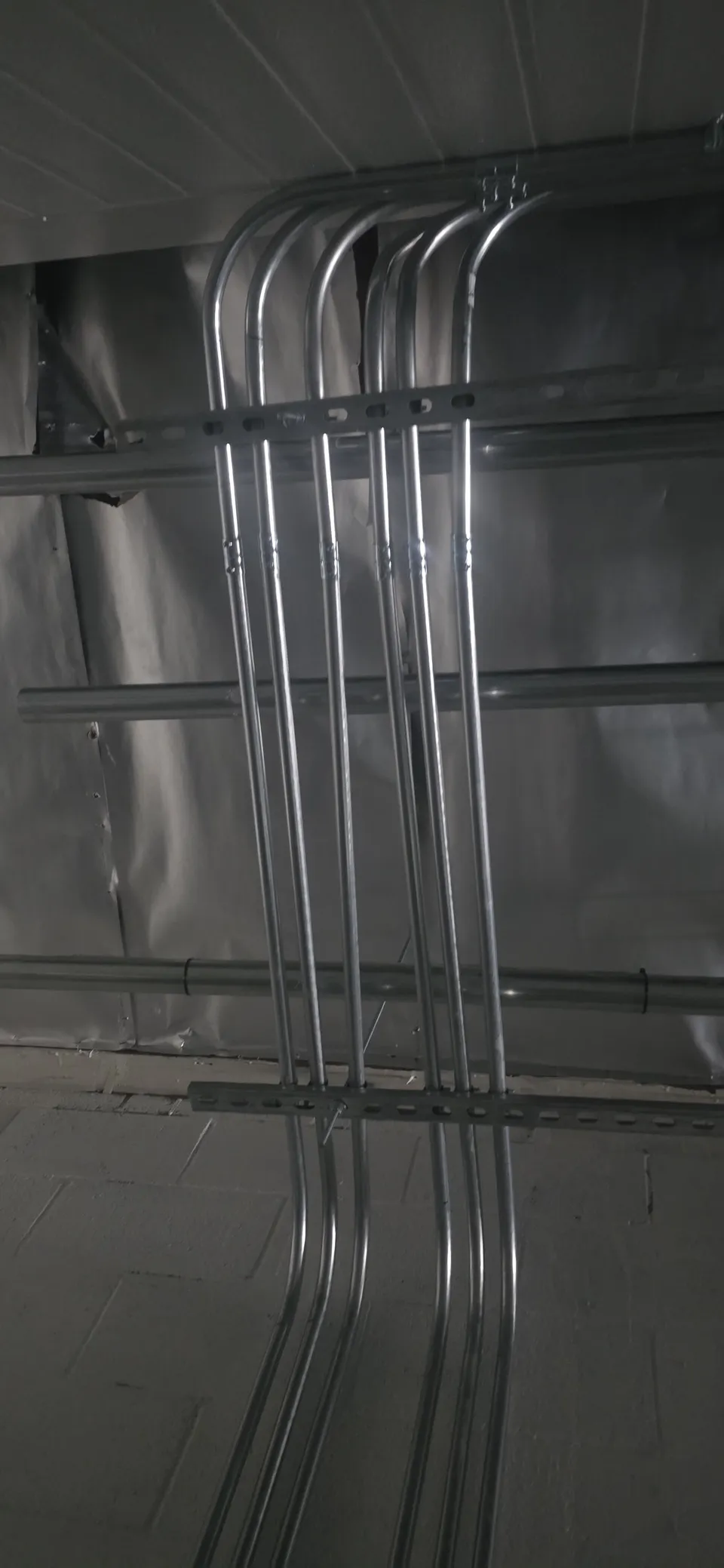
Planning
We review scope, existing conditions, equipment, code requirements, access, and future needs before work begins.

Overview
VDV systems depend on organized pathways, proper cable selection, termination, labeling, equipment locations, and room for future growth. We plan the physical infrastructure so voice, data, and video services are easier to install, expand, and maintain.
We coordinate cable types, pathway capacity, equipment rooms, racks, patching, terminations, labeling, testing, separation from power, and future expansion requirements.
Why Ampere
We review scope, existing conditions, equipment, code requirements, access, and future needs before work begins.
Work is completed with attention to clean routing, reliable connections, code compliance, and coordination with surrounding finishes.
We test and review completed systems and make sure the finished work is ready for normal use and future service.
Process
Confirm project goals, site conditions, existing equipment, and constraints.
Define scope, materials, routing, scheduling, and permit requirements where applicable.
Complete the work safely and coordinate with finishes, equipment, and other trades.
Verify operation, review the completed work, and address final details.
Common Questions
VDV typically refers to voice, data, and video infrastructure such as telecom cabling, Ethernet, patching, video cabling, equipment rooms, and related low-voltage pathways.
Yes. Open-wall construction is an ideal time to install cabling, spare pathways, equipment locations, and future-ready infrastructure.
Yes. Scope can include termination, patch panels, wall outlets, labeling, organization, and testing depending on the project.